You On My Mind (Yomm)
I made a “thinking of you” app for iPhone. It’s called You On My Mind, and it’s free to download and use. I’ve been working on it since around June 2026, and the first version is finally out.
It started with a frustration, actually.
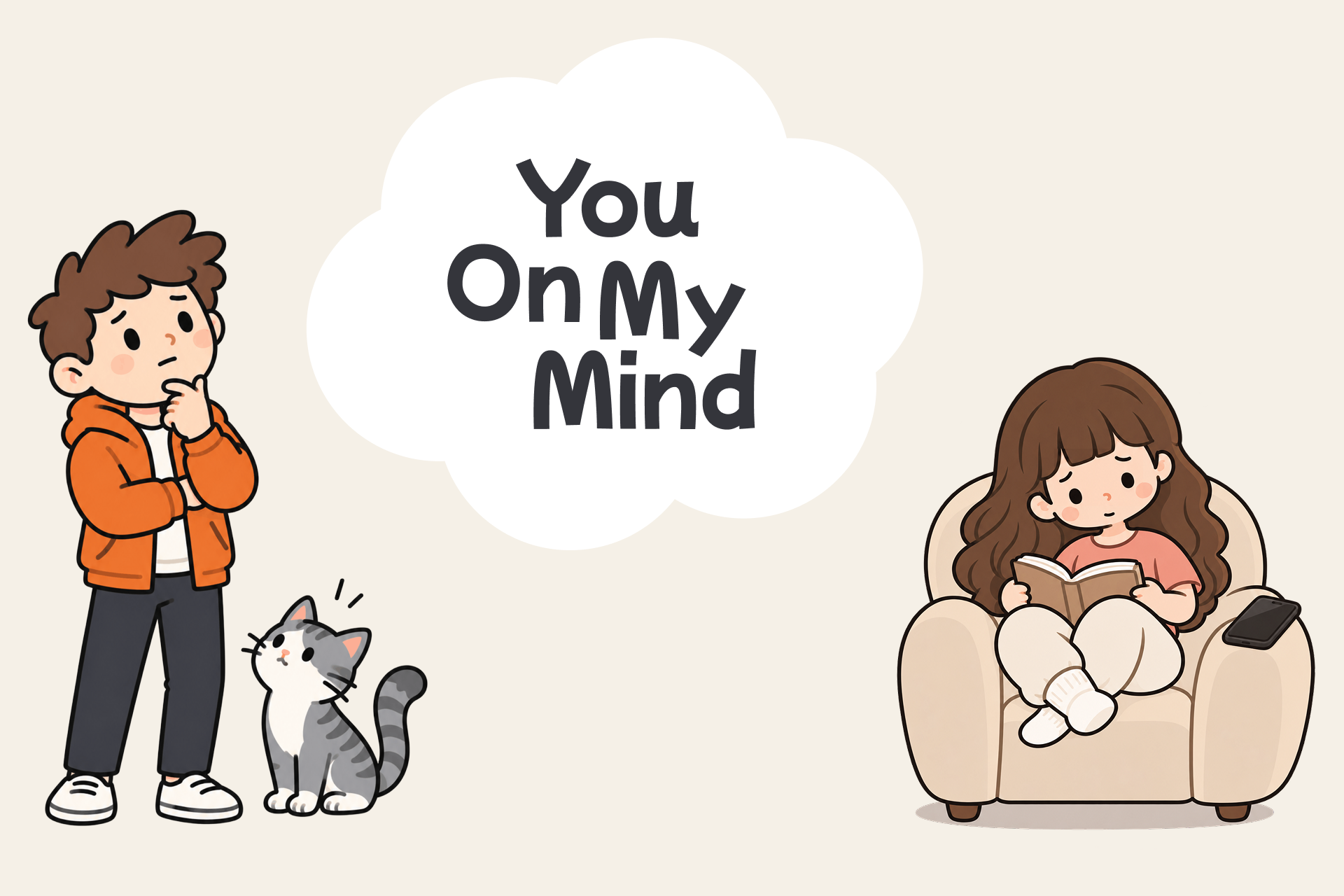
Back in 2014, an acquaintance of mine reached out to tell me that when he was in high school, he’d wished there were some way, any way, to let a girl know he was thinking about her. And on top of that, without her knowing who he was. Just some kind of signal that someone liked her.
That resonated with me, because I was exactly the same character at school: I would never have dared to tell That Girl I was interested in her, but I really wished I could have let her know something. Anything.
So we got moving on building an iPhone app for the idea.
And this is where my personal story begins. Among other things, I decided to find out what it’s like to do a startup. Or to put it another way: to finish something I’d started. As we’ll see, it’s not as simple as in the movies.
All we wanted the app to do was let you tell someone, by name, that you’re thinking of them. That works great in a classroom, for example, but in plenty of other situations too: say my wife is at the dentist, and I send her a thought during a meeting. (Of course, the original concept was always there as well: if I have lots of contacts, I could also get a secret signal.)
The “thinking of you” idea itself is simple: you see your classmates (or acquaintances, friends) in a list. Press and hold someone’s icon, and they get a push notification. The whole thing only stays alive while you keep your finger on their avatar. The longer you hold, the longer the “thinking of you” lasts.
It’s like calling someone: they get a notification, the call connects, you just don’t say anything. And the moment you, the caller, lift your finger, it’s over.
To make it more exciting, the other person can press back during an incoming session. If you both do it at the same time, you get a Digital Moment where your fingers touch.
(Hah! I even had visual ideas for that. We didn’t have a single line of code, we didn’t have any users. All we had was me gazing into the future in a stuffy coworking meeting room somewhere around Deák tér in Budapest, sketching it out for everyone in the room.)
Back then I was still designing in Sketch. We made calls, we had meetings, we found a contractor to code it, we found an illustrator from the advertising world to draw the characters, we had more meetings, we fought over whether we had to work weekends, we went out for lunch, we got a website, we had a concept, we had everything.
We put money in, too, and picked up a third, silent partner. We set up a company, found an accountant for the company, went to see the accountant somewhere in the city. We had to actually hunt the place down. We agreed on who owned what share of the company.
Then it began. We got nowhere with the first contractor; we didn’t get a single line of code. We also went to see the CEO of another contractor. I’ll never forget his reaction when we asked him to sign the NDA: “Come on, don’t be so lame.” But of course we were. He signed it with a smile anyway, but in the end we didn’t work with them.
Then came other people who cobbled code together from my designs. Working with them was painfully slow too, and I’ll never forget that once or twice I wrote to them like a real jerk because I’d run out of patience. It makes me sad when I think about it. After ages, we got to a first build. It worked, but unreliably and badly.
As founders, we were tearing each other’s hair out, fighting over all kinds of things, mostly how the product should work. I thought one thing, my business partner Janó thought another. Who was right? Both of us, of course, each from our own point of view.
By then I was working at Prezi, and by the time we made it into the App Store, I already had a new job lined up in Sweden. My second child was born around that time, too.
And that’s where the Yomm project ended. Janó struggled on with it for a while, but then he too accepted that we’d launched a buggy app with zero users, and you can pour as much cash into that as you like, it’s still not going to amount to anything. And it didn’t. In the end he wrapped it up too, and closed the company, which he had taken over by then.
I think we made every mistake founders can make. We even had the one where we stormed off from each other in a restaurant, red-faced and shouting. (I think I was the one who got up. I’ll never know why anymore. All I remember is that it happened, and where. At a restaurant next to Prezi.)
After that, the story slept for a long while. A few years ago, though, I started thinking about how to make the core interaction even simpler and more interesting. I sketched it out on the kids’ play iPad:
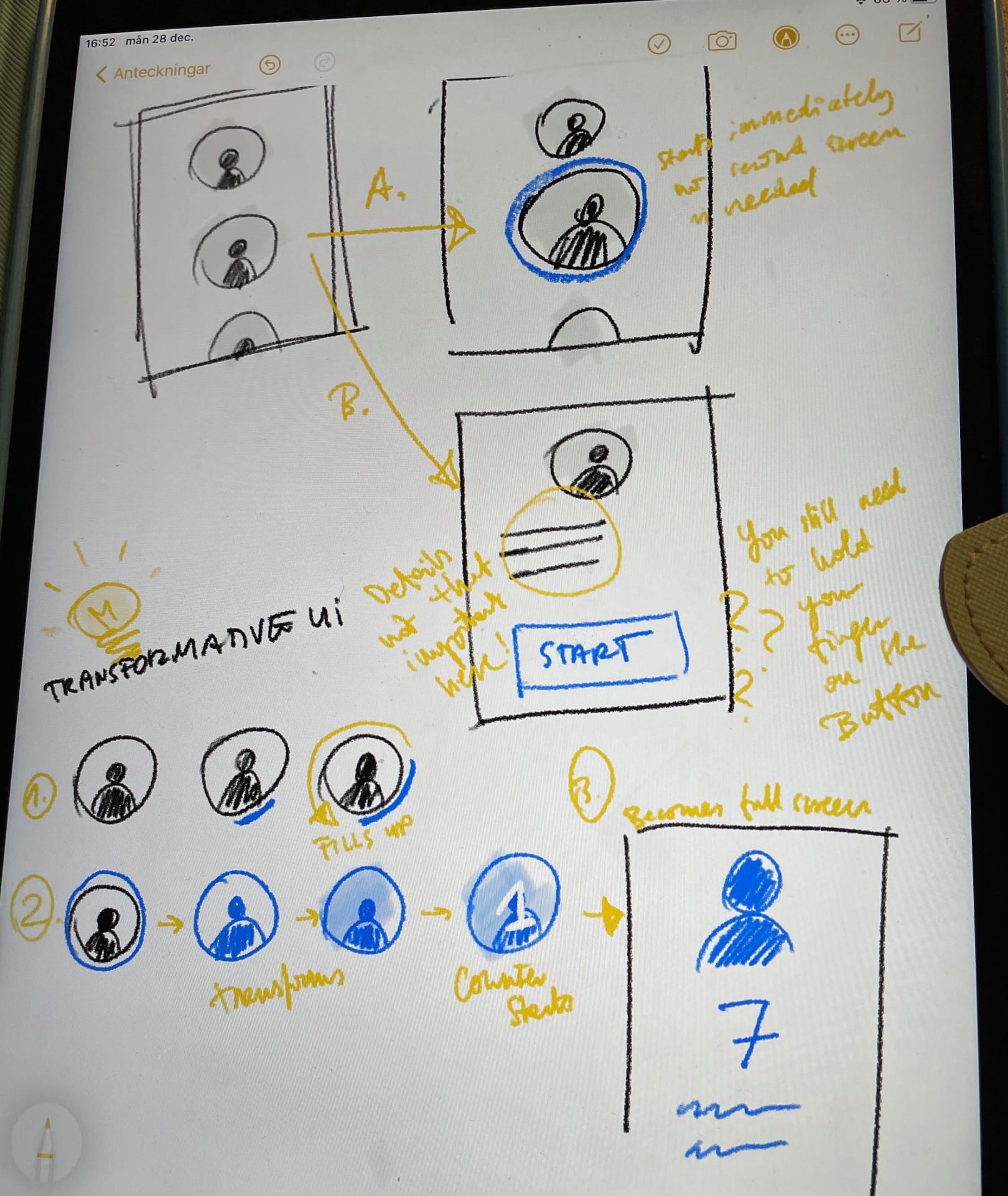
Then nothing happened for a long time again. Later I worked out the concept in Figma. But someone would have to code it. Argh. By then LLMs were taking off and could actually program, and I’d done some smaller experiments myself, but this seemed like too big a bite. In the end I started on just the front end. I figured that once I had a prototype running on a device, I could show it around to developers. I just don’t get backend and infra, not even with AI’s help.
Anyway, I managed to build the front-end interactions, and even put together a little offline app that chugged along on its own, which I then tested on everyone at an early-summer get-together with friends. Everyone seemed to like the idea, and I could see they got it. Beyond a polite round or two, though, it didn’t get much of a reaction.
(For some reason I always expect, even after my design concept presentations at work, that people will be speechless for a few seconds and then burst into thunderous applause. It has never happened. It didn’t happen this time either.)
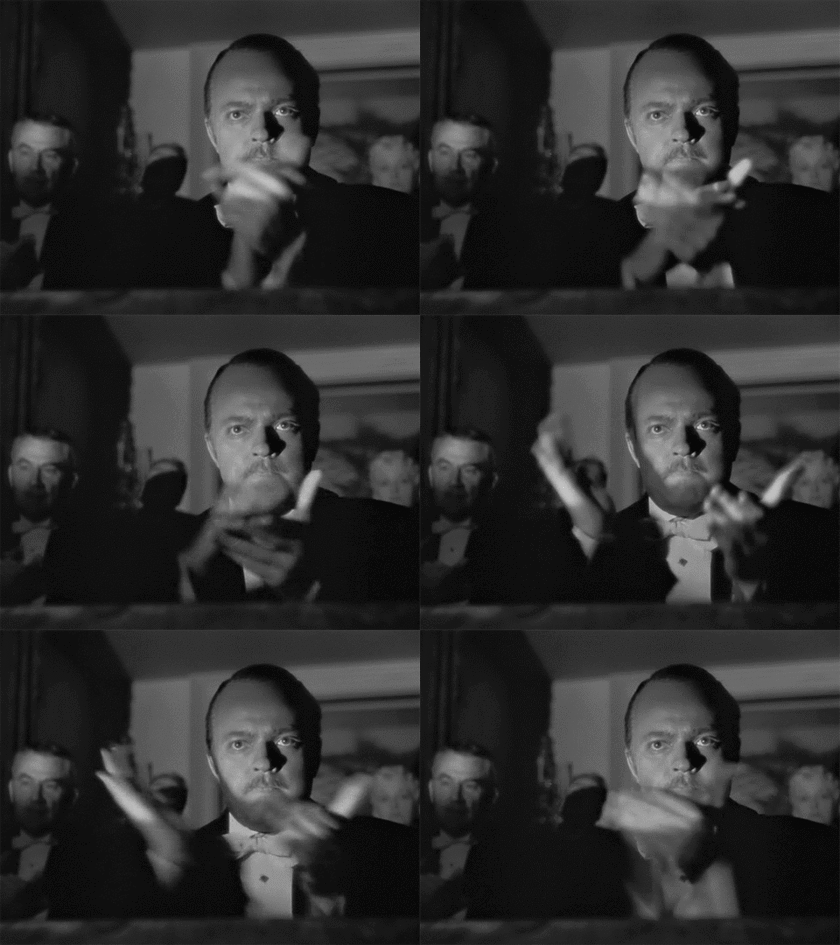
But I was at the point where I needed to move forward, and I still needed a developer who’d seen infra and backend before. I did talk to a few people, but in the end everyone politely disappeared. So it was back to square one, and without the applause, at that.
That’s when I decided to do it myself. I’d learn as much backend and infra as I needed. After all, I spend so much time around these people and in their meetings that something must have rubbed off on me.
My plan was to at least get to the point where I’m deploying from Docker to a VPS, with an API endpoint that answers: backend is ready. Then I’d start on some socket-based real-time communication layer and somehow build the services I needed. That was the full extent of my understanding. Maybe it’s better it wasn’t any more than that.
I picked up some of the know-how, built prototypes for tiny features, ran push notification tests, got to the point where you could upload avatars, and so on. I was ridiculously happy when the first yomm went through between two separate devices:
You can see in the video that my test device is my father-in-law’s phone, a grubby first-generation iPhone SE. The new Xcode doesn’t even build for it anymore, plus I had to target an old iOS. But at least I didn’t have to buy another iPhone. Because my whole concept was that I wasn’t putting any more money into this project.
There’s an insane number of little things behind something this simple-looking, even with AI helping you. And once it was more or less working, I got to make a website for it, too. And email addresses. A domain. I got to set up DNS, as usual. I got to figure out hosting. I got to do every single thing.
By this point I hated the whole thing.
In July I was back home in Hungary and showed it to a few friends; the storm of applause failed to materialize, as usual. But I started thinking that I needed to clear the whole thing with Janó, too. I decided to look him up, sit down with him, and tell him I’d gotten moving on my own: I had a working Yomm prototype.
So I sat down with him in Budapest, at his favorite Indian restaurant. We talked for three hours, two of them just about Yomm. I showed him where I was and how it worked. He took it really well; it didn’t bother him at all that I’d gone ahead on my own. We agreed that I’d add the secret mode too, then release it. If we hit the first business milestone (enough concurrent users that I have to pay for the server), we’ll sit down again. In the meantime, he’d get himself an iPhone test device.
From there, I still had plenty of twists and turns ahead of me before I actually made it to the App Store release.
Honestly, I’m glad it’s over. This idea wanted to be born, so there you go.
It’s an interesting thing, this Yomm, though. It’s simple, and it fits so many situations in life. Getting a yomm out of the blue from someone who really means something to you: that’s a good feeling.